L87 6.2L Wavy Crank!

GETGONE

Well-known member
Joined
Dec 19, 2021
Messages
1,436
Media
53
Reaction score
865
Location
Michigan
Current Ride
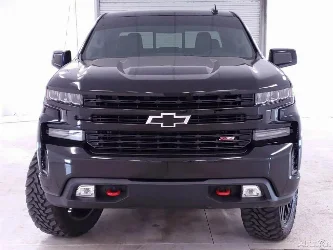
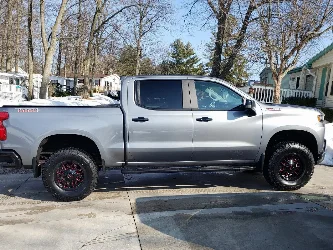
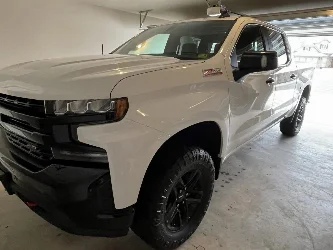
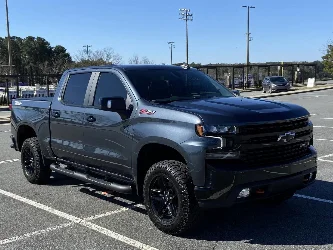
2021 Silverado Custom Trail Boss 6.2
Current Ride #2
2002 Camaro SS
Lake Speed Jr posted this video of a crankshaft he got from Dave's Auto of an L87 that failed the pico test but the engine hadn't failed yet. Dave had found wave wear patterns on the crank bearings. It was sent out and it was measured to have waves on the crank bearing journals. The REAL ROOT cause of the engine failures! Dave had posted he things part of the failure is due to the variable oil pump that lets oil pressure get too low at idle and low cruising RPM. He is talking about a fix but it requires unlocking the ECM and TCM via HP Tuners then making some updates to the variable oil pressure mapping to prevent pressure from dropping too low and damaging the bearings. Not sure if his video was before they confirmed the waviness of the crank or not.

 
Lake Speed Jr posted this video of a crankshaft he got from Dave's Auto of an L87 that failed the pico test but the engine hadn't failed yet. Dave had found wave wear patterns on the crank bearings. It was sent out and it was measured to have waves on the crank bearing journals. The REAL ROOT cause of the engine failures! Dave had posted he things part of the failure is due to the variable oil pump that lets oil pressure get too low at idle and low cruising RPM. He is talking about a fix but it requires unlocking the ECM and TCM via HP Tuners then making some updates to the variable oil pressure mapping to prevent pressure from dropping too low and damaging the bearings. Not sure if his video was before they confirmed the waviness of the crank or not.

That's interesting you brought up this video from YouTube. I actually watched the clip from Dave's Auto Center talking about the very thing you mentioned. Dave mentioned Lake Speed Jr. in the clip I watched. Thanks for sharing!

Anyhow, after watching Dave's clip, I went into VCM Editor in my HP Tuners software and changed the oil pump high pressure RPM threshold value from the original calibration that was set at 7000RPM to the new lower 1200RPM value.
The purpose was to command the oil pump's higher-pressure operating strategy at much lower engine speeds, rather than waiting until 7,000 RPM as a possible way to improve oil supply to the crankshaft's main bearings, connecting-rod bearings, and other lubricated engine components. Hopefully Dave's theory is correct...fingers crossed!

I attached the video I was talking about that you noted with Dave. Sorry to hijack your thread! Haha!

 
Last edited:

Latest Discussions...

Back
Top