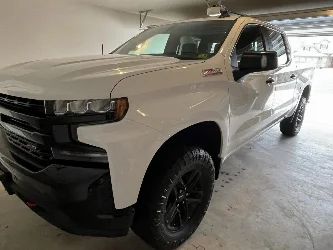
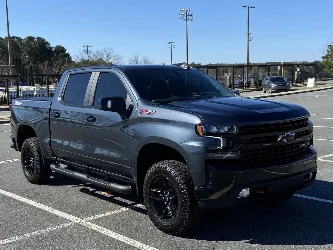
Further recent practice in Offroad Vehicle Recovery has me updating my Gear. Also, it seems that most images I have posted were of a bunch of gear not very well organized or neatly stored.
View attachment 5743
But I'm getting that down to a standard way of loading. When we get a call for a Recovery Request, nearly everything is already in the truck. Leaving to Engage in the recovery can be accomplished quickly.
Tubs are working well to hold most gear.
View attachment 5744
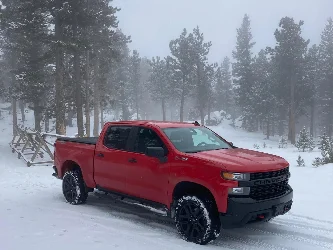
The recent Recovery above Georgetown, CO was definitely a Seminar. It was a great example of a rather Difficult, but also very common type of recovery. A vehicle caught a Soft Spot on a rough, snow-covered trail, and slid off to the side. But the road is narrow, so it's difficult to get recovery vehicles into position. Also,
and importantly, pulling the vehicle in the direction it was pointed caused it to move downhill ...
Not Good.
View attachment 5745
At the time, we could not figure out how to rig a Double Line pull, in order to double the pulling force of my winch. Now I have it figured out, and I can see what gear is required. I did have all of the items needed, and we could have done it. There were serious issues with our not being able to rig this, but thankfully no one was injured.
The Safe-Xtract app includes lots of helpful Diagrams on Recovery Rigging. However ... I have some minor complaints about their Style and Focus in their diagrams. So I decided to work up my own format. Most rigging is easy. Some is not so easy, and this is an example.
This was the recovery, posted earlier:
The thing with this Volunteer Offroad Recovery Portal is that recoveries are not easy to plan around. So we got a call today ... folks slid off the road in snow on a mountain road near Georgetown, CO. About an hour away. What was I planning to do today ... ? Do we get a recovery report?

www.trailboss.org